Śiva Saṁhitā: The Hidden Wisdom of Classical Haṭha Yoga

Updated: Apr 3
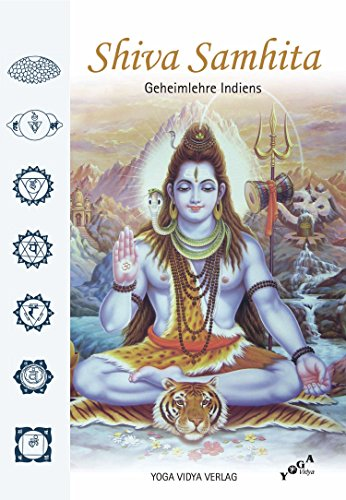
Introduction
The Śiva Saṁhitā is one of the most important classical texts of Haṭha Yoga, alongside the Hatha Yoga Pradipika and the Gheranda Samhita. It presents a deep and integrated approach to yoga, combining philosophy, subtle anatomy, and practical sādhanā.
Structured as a dialogue between Lord Shiva and Goddess Parvati, the text reveals profound yogic teachings intended for sincere seekers on the path of liberation.
Unlike purely physical approaches to yoga, the Śiva Saṁhitā emphasises inner transformation, energy awakening, and the realisation of the Self.
The Nature of Reality: Non-Dual Wisdom
One of the unique features of the Śiva Saṁhitā is its strong foundation in Advaita (non-dual philosophy).
It teaches:
The entire universe is a manifestation of one ultimate reality
The individual Self (Ātman) is not separate from the Supreme
Ignorance (Avidyā) creates the illusion of separation
This aligns the text closely with the wisdom of the Upanishads and Vedānta.
For the practitioner, this means that yoga is not just about the body—it is a journey towards realising unity with the Divine.
The Human Body as a Sacred Instrument
The Śiva Saṁhitā views the human body not as an obstacle, but as a powerful vehicle for spiritual awakening.
It describes:
Nāḍīs (energy channels)
Chakras (energy centres)
Prāṇa (vital life force)
The text explains that through yogic practices, one can purify these systems and awaken higher consciousness.
This understanding forms the basis of yoga therapy and subtle body practices in Sanātan Yoga.
Kuṇḍalinī Awakening
A central teaching of the Śiva Saṁhitā is the awakening of Kuṇḍalinī Śakti, the dormant spiritual energy within.
Key insights include:
Kuṇḍalinī lies at the base of the spine
Through disciplined practice, it rises through the chakras
Its awakening leads to expanded awareness and liberation
Practices supporting this include:
Prāṇāyāma
Mudrā
Bandha
Meditation
The text emphasises that this process should be approached with guidance, discipline, and purity of intention.
The Role of the Guru
The Śiva Saṁhitā highlights the essential importance of the Guru (teacher).
It teaches:
True knowledge is transmitted through a realised teacher
The Guru guides the student safely through subtle practices
Devotion and trust in the Guru accelerate progress
This reflects the traditional Guru-Śiṣya (teacher-student) lineage, which remains central in authentic yoga traditions.
Yoga for All: A Unique Inclusivity
Unlike some classical texts that restrict teachings, the Śiva Saṁhitā takes a more inclusive approach.
It states that yoga can be practised by:
Householders
People of different backgrounds
Those engaged in worldly life
This is a powerful message for modern practitioners:
Spiritual growth is possible without renouncing life.
Yoga becomes a path of integration rather than withdrawal.
Practical Teachings and Sādhanā
The Śiva Saṁhitā provides guidance on various practices, including:
1. Āsana
Focus on stability and comfort
Preparation for higher practices
2. Prāṇāyāma
Regulation of breath to control prāṇa
Foundation for mental stillness
3. Mudrā and Bandha
Techniques to direct and conserve energy
Essential for awakening Kuṇḍalinī
4. Meditation (Dhyāna)
Cultivation of concentration and awareness
Gateway to Self-realisation
The emphasis is always on internal experience rather than external performance.
Relevance in Modern Yoga Practice
In today’s world, yoga is often reduced to physical exercise. The Śiva Saṁhitā reminds us of its true depth and purpose.
Its teachings help modern practitioners to:
Go beyond posture-based practice
Understand energy and consciousness
Integrate spirituality into daily life
Approach yoga as a path of transformation
For yoga teachers and therapists, it offers a holistic framework for guiding students safely and authentically.
The Inner Message
At its core, the Śiva Saṁhitā teaches:
The Divine resides within you
The body is a temple of awakening
Breath is the bridge between body and mind
Awareness is the key to liberation
Conclusion
The Śiva Saṁhitā stands as a profound guide for serious seekers of yoga. It bridges philosophy and practice, offering a complete path from physical discipline to spiritual realisation.
For practitioners of Sanātan Yoga, it serves as a reminder that:
Yoga is not merely something we do—it is something we realise.
Through sincere practice, guided by wisdom and discipline, the teachings of the Śiva Saṁhitā lead the seeker from limitation to freedom, awareness, and unity.


Comments